Need help?
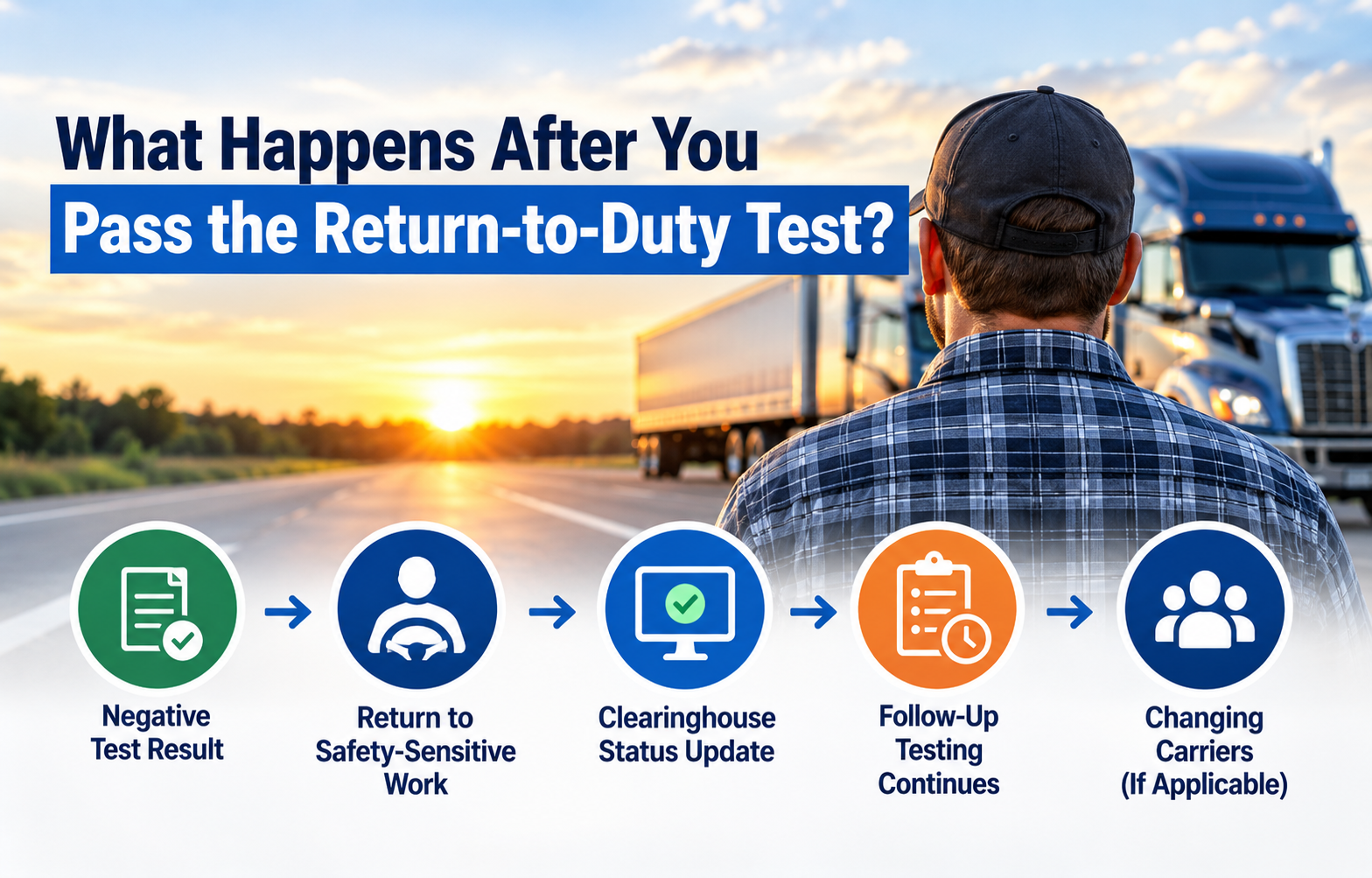
Follow-up testing is the long-term testing phase that begins after a driver successfully completes the Return-to-Duty requirements and returns to DOT safety-sensitive work. Unlike random testing, follow-up testing exists because of the driver's prior DOT drug or alcohol violation and is based on a plan written by the SAP.
The rules give the SAP control over the number and frequency of required follow-up tests, while the employer controls the actual testing dates. Understanding that division of responsibility explains much of how the follow-up phase works.
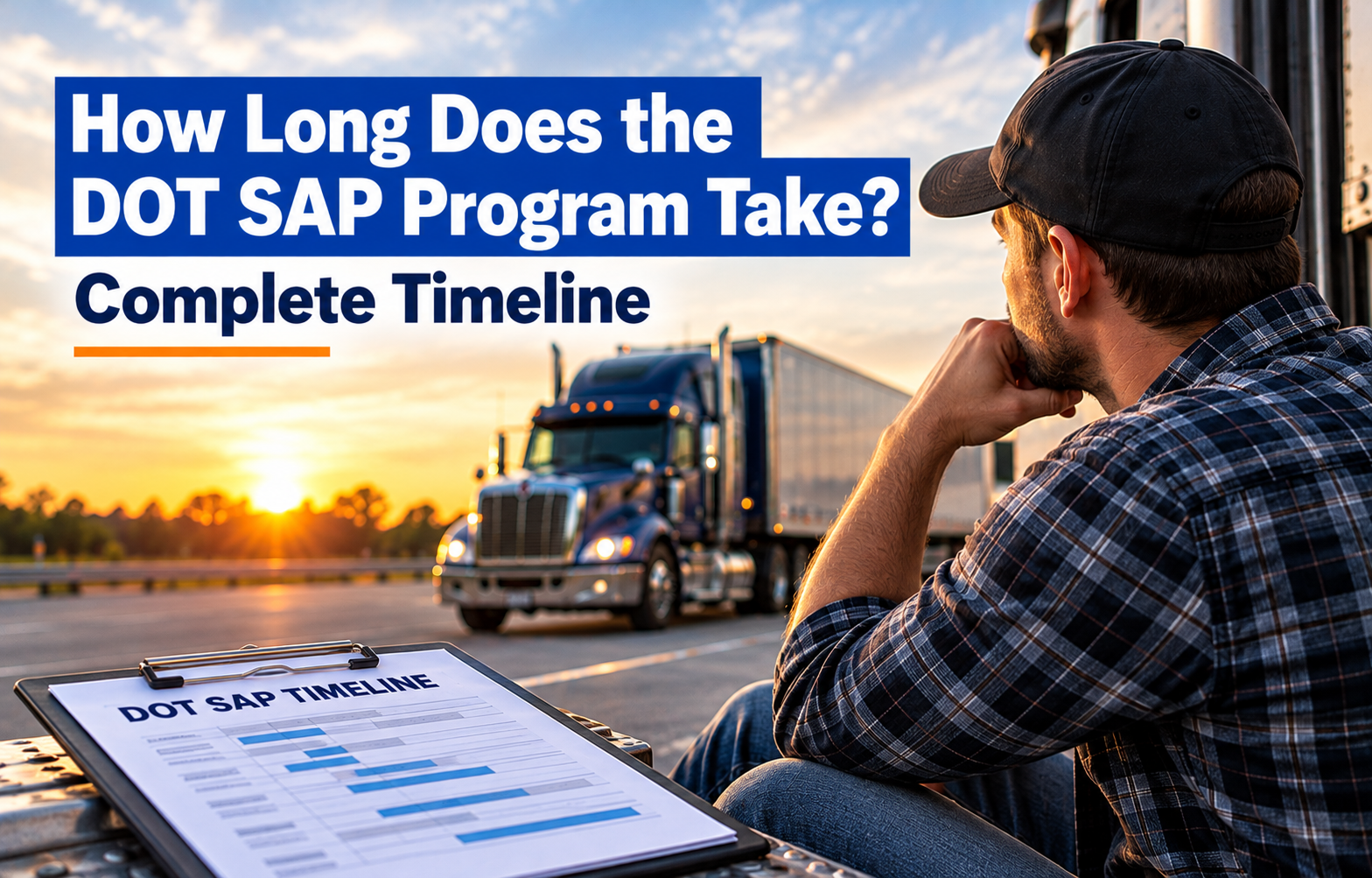
Part 40 requires the SAP to prescribe at least six unannounced follow-up tests during the first 12 months of safety-sensitive duty after the employee returns. Six is a minimum, not a maximum. The SAP can require more tests during that first year when the individual case warrants it.
The tests are intended to be spread through the required period rather than simply completed as quickly as possible. The employer schedules the actual dates and must make sure there is no advance notice or discernible testing pattern.
The SAP determines whether the follow-up plan requires drug testing, alcohol testing, or both, based on the evaluation and applicable rules.
The SAP can prescribe follow-up testing during the additional 48 months after the first 12-month period. In total, the follow-up plan can therefore extend for as long as 60 months of safety-sensitive duty.
That does not mean every driver automatically receives five years of testing. The SAP determines the plan for the individual driver. After the first year, the SAP has regulatory discretion concerning additional testing within the permitted period.
It also does not mean the driver remains out of work during this time. Follow-up testing occurs while the driver is performing safety-sensitive duties after returning to work.
The SAP prescribes the number and frequency of tests but does not set the specific calendar dates. The employer chooses those dates and must keep the testing unannounced. A driver should not receive advance notice that defeats the purpose of the follow-up program.
Random testing and follow-up testing remain separate. An employer cannot count an ordinary random test as one of the SAP-required follow-up tests, and a cancelled follow-up test cannot be counted as completed.
DOT follow-up drug tests are conducted under direct observation. Drivers who have returned to work should therefore expect the collection procedure to differ from a standard unobserved test.
The follow-up plan follows the employee to subsequent employers. If a driver leaves one carrier before completing the plan and later performs safety-sensitive work for another carrier, the remaining requirements do not disappear.
The same principle applies to breaks in service. Part 40 frames the required period around months of safety-sensitive duty, so time away from covered work does not necessarily allow the driver to run out the clock on unfinished follow-up obligations.
This is particularly important for drivers who move frequently between carriers. A new employer needs enough information to carry out the remaining SAP requirements correctly.
The employer must carry out the follow-up testing requirements as directed by the SAP. It cannot substitute random tests or rewrite the SAP's federal follow-up plan on its own.
DOT guidance also says an employer cannot impose additional tests as DOT follow-up testing beyond the SAP's plan. Other lawful testing circumstances can exist, such as reasonable-suspicion testing, but they are separate from the SAP-prescribed follow-up program.
The follow-up phase is therefore highly structured: the SAP defines the plan, the employer implements it, and the driver remains subject to it while performing covered safety-sensitive work.
For the current federal rules and official guidance, use the DOT and FMCSA resources below.
Continue with related guides about the DOT SAP Program, Return-to-Duty process, Clearinghouse, and follow-up testing.
© 2026 SAPTruckingJobs.com. All Rights Reserved.